86-13400725797
 info@homertrimmings.com




Private label pet products are third-party manufactured items you sell under your own brand. These eco-friendly options minimize environmental harm. Sustainability now influences 76% of pet owners' purchasing decisions, driving loyalty and repeat purchases. HOMER helps you gain margin control, differentiation, and a brand story customers trust.
Key Takeaways
-
You can earn higher profits with private label pet products. You control your prices and cut out middlemen.
-
Eco-friendly materials make your brand stand out. Customers notice your commitment to the planet.
-
You choose every ingredient and design. Your products match your brand's values perfectly.
Why Private Label Pet Products Work for Pet Brands
Retail shelves overflow with pet products. National brands command prime positions and demand premium prices. You face rising material costs and aggressive competition. Private label pet products offer a different path. You own the production process. You set the pricing structure. You define the customer experience. Eco-conscious design adds a compelling angle. This combination creates a resilient business model for any pet brand.
Control Your Margins
Direct sourcing reshapes your financial picture. You remove distributors and retailers from the supply chain. You escape the advertising burden of national brands. Your margin depends on product selection and supplier agreements. The returns across popular categories follow a clear pattern.
|
Product Category |
Private-Label Margin Range |
Notes |
|---|---|---|
|
Pet waste bags |
~40%–65% (as part of private-label lineup) |
Listed among high-margin private-label items; no national-brand marketing/distribution costs |
|
Toys (and accessories) |
~40%–60% |
Industry estimates; varies by supplier, brand, volume, turnover |
|
Grooming products |
~40%–65% (as part of private-label lineup) |
Shampoos, wipes, sprays, brushes; less bound by major brand pricing |
Pet waste bags and grooming products deliver the highest returns. Toys sit slightly lower but still outperform many retail categories. These margins beat typical wholesale models by significant margins. A consistent 40%+ return gives you financial breathing room. You can invest in better materials. You can expand your product line. You can strengthen customer acquisition campaigns. This cushion separates thriving brands from struggling ones.
The economics also protect you from price wars. National brands slash prices to defend market share. You control your pricing ceiling. You build value through sustainability and quality. Customers pay for your story, not someone else's advertising budget. Your cost breakdown includes raw materials, manufacturing, packaging, and shipping. Private labeling consolidates these costs into one supplier relationship. Higher order volumes unlock economies of scale. Your margin grows with every operational improvement.
Stand Out in a Crowded Market
The pet industry continues its rapid expansion. Differentiation determines your survival. Mass-market brands sell nearly identical formulas. Consumers struggle to spot meaningful differences. Private labeling lets you create something genuinely distinct. Your eco-friendly angle speaks directly to conscientious buyers.
Eco-friendly materials carry visible appeal. Organic cotton toys feel softer and safer. Hemp leashes provide durability with a natural aesthetic. Biodegradable waste bags demonstrate daily environmental commitment. These tangible details justify your price point. Shoppers remember brands with genuine purpose.
A unique product line also strengthens your retail positioning. Independent pet stores seek exclusivity. Online marketplaces reward differentiated listings. Your private label offerings give you negotiation power. You become a desirable partner rather than a commodity supplier. Private labeling also grants creative freedom. You can test new materials and adjust designs quickly. Response to trends happens within weeks, not seasons. No corporate bureaucracy delays your decisions.
Align Products With Your Brand Values
Your brand represents specific values. Sustainability, transparency, and quality define your identity. Private labeling aligns every product with those promises. You choose each ingredient. You approve every design. You verify each certification. Nothing enters your lineup without your direct consent.
Your sourcing partner determines how well you fulfill those values. HOMER provides certified sustainable materials and transparent factory audits. This partnership strengthens your credibility. You promise traceability, and your documentation proves it. Customers reward that honesty with loyalty.
Consistency matters across every product release. Consistent packaging, materials, and messaging reinforce your values in the customer's mind. Buyers trust consistent brands. That trust converts one-time purchasers into devoted subscribers.
The alignment also protects you from reputational damage. Your documentation allows you to trace every component back to its origin. You can prove your environmental claims. You can respond quickly to customer concerns. This level of control builds a durable brand foundation.
Alignment extends to your packaging and marketing. Every photo, label, and product description reinforces the same story. No parent corporation can veto your message. Every detail reflects your commitment to sustainability.
Private label pet products deliver three essential advantages. You command healthier margins. You carve out a unique identity. You stay true to your principles. Each advantage compounds into long-term growth. The following sections guide you through product categories, materials, and supplier selection.
Best Categories to Private-Label
You have several strong product categories to consider. Each one offers distinct advantages for eco-conscious pet brands. The data supports prioritizing certain segments over others.
|
Rank |
Eco-Friendly Pet Product Category |
CAGR (2010–2014) |
Sales |
|---|---|---|---|
|
1 |
"Other" pet products (bedding, toys, collars, etc.) |
13% |
$106 million |
|
2 |
Cat litter |
8% |
$359 million |
|
3 |
Pet health (grooming, clean-up, supplements) |
7% |
$200 million |
Biodegradable Waste Bags
Waste bags represent a daily-use product with high repurchase rates. You can source bags made from plant-based materials like cornstarch or recycled polyethylene. These options break down faster than traditional plastic. HOMER supplies certified compostable bags that meet ASTM D6400 standards. Your customers receive a functional product with a clear environmental benefit.
Organic Cotton and Hemp Toys
Toys fall under the fastest-growing eco category at 13% CAGR. Organic cotton and hemp offer durable, non-toxic alternatives to synthetic fillers. You can private-label plush toys, rope toys, and chew accessories. HOMER provides GOTS-certified organic cotton and responsibly sourced hemp. These materials resist wear and appeal to health-conscious pet owners.
Hemp Leashes and Collars
Hemp fibers deliver exceptional strength and natural resistance to mold. You can create leashes, collars, and harnesses with a distinct earthy aesthetic. This category aligns with the 13% growth in "other" pet products. HOMER offers durable hemp blends with metal hardware. Your brand gains a premium accessory line without compromising sustainability.
Natural Grooming Products
Grooming products grew at 7% CAGR with $200 million in sales. You can private-label shampoos, conditioners, wipes, and paw balms. Natural formulations avoid harsh chemicals and synthetic fragrances. HOMER provides plant-based formulas with biodegradable ingredients. This category builds recurring revenue through subscription models and repeat purchases.
Materials and Certifications That Matter

Your material choices define your environmental impact. You need to understand which options deliver real benefits and which certifications validate those claims.
Recycled and Plant-Based Materials
Recycled materials divert waste from landfills. You can source recycled polyester from plastic bottles for toys and bedding. Plant-based materials offer renewable alternatives. Cornstarch creates compostable waste bags. Hemp fibers provide durable textiles without pesticides. Organic cotton eliminates synthetic chemical exposure. HOMER supplies these materials with full traceability documentation. You receive verified sourcing records for every component.
Certifications to Look For
Certifications separate genuine eco-products from marketing claims. You should prioritize these recognized standards:
-
GOTS: Relates to textiles made from at least 70% certified organic natural fibers; guarantees organic fiber integrity, restricts harmful chemicals, and enforces ethical labor conditions.
-
GOLS: Relates to natural rubber latex products such as mattresses and pillows; ensures organic integrity of latex and restricts harmful chemicals.
-
OEKO-TEX: Relates to textiles and leather products tested for harmful substances; the STANDARD 100 label ensures every component has been tested for harmful substances.
-
Better Cotton: Relates to sustainable cotton production; focuses on minimizing harmful crop protection practices, promoting water stewardship, and maintaining soil health.
Look for GOTS (Global Organic Textile Standard), OEKO-TEX, FSC (Forest Stewardship Council), or USDA BioPreferred labels when evaluating eco dog products. Verify claims via recognized standards; if no certification exists, contact the brand directly for sourcing details.
|
Certification |
What It Certifies |
Relevance to Eco-Friendly Pet Products |
|---|---|---|
|
USDA Certified Organic |
Verified, traceable, and enforced organic status for consumables and agricultural inputs by an accredited certifying agent |
The gold standard for anything a pet ingests or chews, such as catnip and treats |
|
OEKO-TEX® Standard 100 |
Every textile component (fabric, thread, dyes, finishing agents) tested against 100+ regulated and non-regulated substances, including pesticides, heavy metals, formaldehyde, and AZO dyes |
Applies the strictest baby-product class criteria to pet textiles like cat toys and beds |
|
GOTS® (Global Organic Textile Standard) |
Covers the entire textile supply chain from raw material through finished product, including processing, manufacturing, packaging, labeling, and trade |
Confirms both organic fiber integrity and a clean overall production process for pet toys and bedding |
|
FSC® (Forest Stewardship Council) |
Confirms wood comes from responsibly managed forests with verified chain-of-custody documentation |
Relevant for wood-based pet products such as cat furniture, scratching posts, and climbing structures |
|
USDA BioPreferred® / Biobased Certification |
Certifies that a product's content comes from renewable biological sources rather than petroleum-based synthetics |
One of the few ways to verify that "cotton" claims in rope dog toys are complete and traceable |
How to Verify a Claim
You must confirm every sustainability claim before you print it on a label. Request certificates directly from your manufacturer. HOMER provides complete certification documentation for all materials. You can trace each component back to its certified source. Third-party testing laboratories validate material composition. You should review test reports for harmful substances. This verification protects your brand from greenwashing accusations. Your customers trust documented proof over vague promises.
How to Vet a Private Label Pet Products Manufacturer
Your manufacturer determines your product quality, your brand reputation, and your legal exposure. A poor supplier choice creates recalls, customer complaints, and regulatory penalties. A strong supplier becomes a strategic partner. You need a systematic vetting process. This section walks you through the critical steps for evaluating any private label pet products manufacturer.
Audits and Factory Transparency
You must verify your manufacturer's claims through documentation and independent inspection. Request current certificates and confirm they are valid and not expired. Verify the certification body is an accredited, independent organization. Review the scope to confirm it specifically covers pet food or pet treat manufacturing. Ask about audit frequency to confirm regular surveillance audits are conducted. Review recent third-party laboratory testing reports for similar products. Conduct a factory audit (on-site, virtual, or third-party) to see the production process firsthand.
These steps separate legitimate manufacturers from opportunistic suppliers. A factory that welcomes audits demonstrates confidence in its operations. A factory that resists scrutiny raises immediate red flags.
You should collect a specific set of documents from every potential manufacturer. These documents prove compliance, safety, and operational integrity.
|
Document / Certification |
Purpose |
Recommended For |
|---|---|---|
|
ISO 22000 |
Food safety management system |
All international buyers |
|
BRCGS |
Premium food safety standard |
UK & European retailers |
|
IFS Food |
Food safety and quality |
European private label brands |
|
HACCP |
Hazard prevention during production |
All manufacturers |
|
GMP |
Manufacturing best practices |
All factories |
|
FDA Registration |
U.S. regulatory compliance |
U.S. market exports |
|
FSSC 22000 |
GFSI-recognized food safety |
Global premium brands |
|
USDA Organic |
Organic production |
U.S. organic brands |
|
EU Organic |
Organic compliance |
European organic market |
|
Third-Party Laboratory Testing Reports |
Independent product verification (microbiological, heavy metals, pesticides, mycotoxins, nutrition, shelf-life, pathogens) |
Every OEM/private label project |
|
Traceability System Records |
Batch-to-raw-material traceability (suppliers, batch numbers, production dates, equipment, operators, packaging, QC records, shipments) |
All manufacturers |
|
APHA Establishment Approval Number |
Legal approval to produce pet food (UK) |
UK market |
|
PFMA or FEDIAF Member Status |
Compliance culture indicator |
UK/EU market |
|
Third-Party Audit Reports |
Independent verification of quality systems |
All buyers |
|
Employer & Product Liability Insurance Certificates |
Risk coverage |
All buyers |
This table covers the essential documentation for any serious manufacturing partnership. You should request every applicable document before signing a contract. Missing documents signal potential compliance gaps.
Certain documents deserve special attention during your review. You should specifically request the APHA establishment approval number for UK production. Ask for a current BRC or equivalent food safety certificate and verify it directly via the BRC Directory, not just a manufacturer-provided copy. Confirm PFMA or FEDIAF member status for European operations. Request the most recent third-party audit report. Ask for evidence of a traceability system for ingredient suppliers. Collect employer liability and product liability insurance certificates. These items protect your brand from regulatory and financial risk.
HOMER provides complete documentation packages for every client. You receive certificates, audit reports, and traceability records without delays. This transparency eliminates guesswork from your supplier evaluation.
Sampling and Quality Testing
You cannot judge product quality from a catalog or a sales pitch. You need physical samples and independent test results. Request samples from at least three manufacturers before making a final decision. Compare material feel, construction quality, and finish consistency across all samples.
Submit samples to a third-party laboratory for independent testing. Test for harmful substances, material composition, and performance characteristics. For pet toys, test for lead, phthalates, and heavy metals. For grooming products, test for microbial contamination and ingredient accuracy. For waste bags, test for compostability and tensile strength. These tests reveal the true quality of your potential product.
Review the manufacturer's internal quality control procedures. Ask about their testing frequency and pass rates. Request their corrective action process for failed batches. A manufacturer with robust QC systems catches problems before shipment. A manufacturer without these systems ships defects directly to your customers.
HOMER maintains rigorous quality testing protocols at every production stage. You receive batch-specific test reports with every order. This documentation protects your brand and satisfies regulatory requirements.
Sustainability Standards in Practice
Sustainability claims require verification. You must confirm that your manufacturer actually follows the environmental practices they advertise. Request documentation for every sustainability claim. Verify certifications through the issuing organization's database. Visit the factory or hire a third-party inspector to observe operations firsthand.
Look for specific evidence of sustainable practices. Check for waste management systems that divert materials from landfills. Review energy usage records to confirm renewable sources. Examine water treatment processes for proper disposal. Verify that organic materials remain segregated from conventional materials throughout production.
Your manufacturer should provide chain-of-custody documentation for all certified materials. This documentation tracks each component from its origin to your finished product. HOMER supplies complete chain-of-custody records for every certified material. You can trace each component back to its verified source.
Ask about the manufacturer's social responsibility practices. Fair labor standards, safe working conditions, and ethical treatment of workers matter to your customers. Request their social audit reports and review any findings. A manufacturer with strong social practices typically maintains strong environmental practices.
You should also evaluate the manufacturer's commitment to continuous improvement. Ask about their sustainability goals and progress measurements. A manufacturer with specific targets and regular reporting demonstrates genuine commitment. A manufacturer with vague promises and no data reveals greenwashing.
The vetting process requires time and effort. You must request documents, test samples, and verify claims independently. This investment protects your brand from quality failures and regulatory penalties. A thorough vetting process also builds a stronger relationship with your manufacturer. You understand their operations, and they understand your standards.
Packaging and Design Decisions
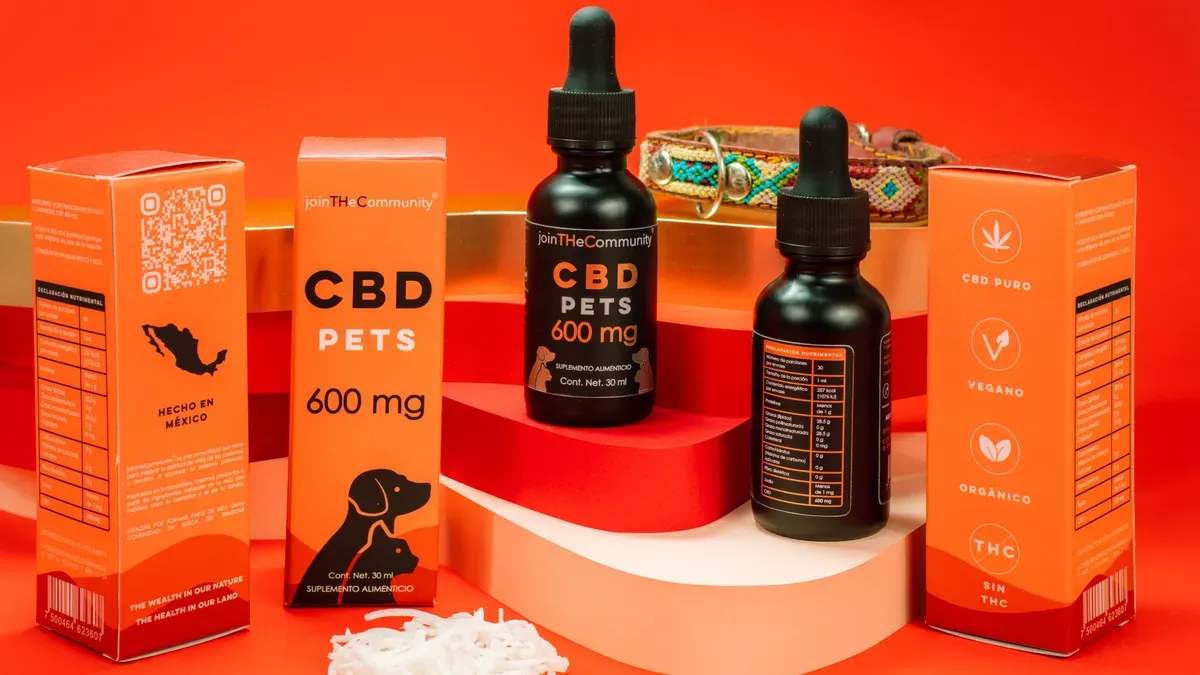
Your packaging carries your sustainability promise. Every label, wrapper, and insert either reinforces or weakens your brand's environmental story. You must align your packaging design with product claims. HOMER supplies eco-friendly packaging solutions that match your materials.
Compostable Labels and Minimal Materials
Compostable labels break down alongside your biodegradable waste bags. Source labels made from plant-based adhesives and FSC-certified paper. Minimal design strips away unnecessary layers. Your customers receive a package that mirrors your product's values. You reduce waste without sacrificing functionality.
According to industry research on eco-friendly pet food packaging, compostable or minimal packaging designs can cut packaging waste by 30–50%. This range shows the tangible impact of your design choices.
Clean packaging affects shelf appeal. Simple designs signal transparency. Excess plastics signal contradiction. HOMER helps you craft packaging that reflects your brand's identity.
Shipping and Fulfillment Choices
Shipping choices complete your eco-friendly strategy. Select recyclable corrugated boxes instead of plastic mailers. Use paper-based tape and void fill. HOMER optimizes fulfillment routes to reduce your carbon footprint.
Your fulfillment partners must share your sustainability standards. Confirm their packaging aligns with yours. Review their materials for recyclability. Measure your shipment consolidation to lower emissions. These details protect your reputation after checkout.
You also gain a marketing advantage. Compostable packaging and efficient shipping become part of your story. Customers notice the consistency. They reward brands that follow through on every touchpoint. Every delivered package becomes a silent reminder of your commitment to the planet.
Pricing, MOQs, and Cost Trade-Offs
Your pricing strategy depends on production volume. Manufacturers set minimum order quantities (MOQs) to protect their operational efficiency. You must understand these thresholds before you negotiate.
Understanding Minimum Order Quantities
An MOQ is the smallest order a factory will accept. Low MOQs give you flexibility to test the market. High MOQs lower your per-unit cost. You should evaluate MOQ tiers against your cash flow and storage capacity.
|
Order Tier |
Typical MOQ Range |
Per-Unit Cost |
Best For |
|---|---|---|---|
|
Sample run |
50–100 units |
Highest |
Testing designs |
|
Small batch |
500–1,000 units |
Moderate |
New product launches |
|
Bulk order |
5,000+ units |
Lowest |
Proven sellers |
HOMER offers flexible MOQs starting at 500 units. This structure lets you validate demand without overcommitting capital. You can scale your order as sales grow.
Balancing Cost and Sustainability
Sustainable materials often cost more than conventional alternatives. You face a trade-off between margin and mission. Smart sourcing resolves this tension.
Certified organic cotton and hemp carry premium prices. Compostable bags cost more than standard plastic. You can offset these costs through higher retail pricing. Eco-conscious customers expect to pay more for verified quality.
HOMER helps you find the balance. The company sources certified materials at competitive rates. You receive transparent cost breakdowns for every component. This clarity lets you price confidently.
You should also consider total cost of ownership. Durable hemp leashes last longer than synthetic alternatives. Longer product life reduces returns and builds customer trust. That trust drives repeat purchases and long-term revenue.
Start with one product at a manageable MOQ. Test your pricing. Measure customer response. Scale what works.
Marketing Without Greenwashing
Your marketing must match your product's verified reality. Greenwashing destroys trust faster than any competitor. You need proof behind every claim you publish.
Lead With Verified Benefits
You should highlight benefits that third-party testing confirms. Natoo adopted a unified framework to measure product carbon footprints, obtain ClimatePartner certification, and redesign packaging for recyclability. These steps produced a scalable climate accountability model. Retailers and consumers now demand this product-level proof. HOMER gives you certified documentation for every material and process. You can publish specific, verifiable benefits instead of vague promises.
The inaugural 'State of Sustainability in the Pet Industry – 2025 Edition,' produced with the Pet Sustainability Coalition, provides the first collective performance snapshot of sustainable business practices in the pet industry. Key findings reveal that although the industry is strongly focused on climate risk and supply chain ethics, a significant gap remains in converting core consumer demand into sustainability-focused purchasing.
Tell Your Sourcing Story
Your sourcing story builds customer trust. You should share where materials originate and how suppliers verify them. Traceability systems are widely recognized as a key mechanism for improving supply chain transparency and verifying product claims.
-
Consumers increasingly link personal and household health to planetary health, and transparency in sourcing, packaging, and production remains a key area of consumer interest.
-
MFiber built a field-level traceability system linking every bale of Miscanthus grass to its source field.
-
The system connects ingredient lots to farm identifiers, harvest timing, and chain-of-custody records through processing and distribution.
-
By pairing traceability with lifecycle comparison data and peer-reviewed research, MFiber shows how suppliers can help pet food brands verify sustainability claims through traceable sourcing and documented environmental data.
HOMER provides complete chain-of-custody records for every certified material. You can tell your sourcing story with confidence.
Avoid Vague Green Claims
You must eliminate words like "natural," "green," and "eco-friendly" from your marketing unless you define them. These terms carry no legal weight. You should replace them with specific, certified language. State "GOTS-certified organic cotton" instead of "natural cotton." Say "ASTM D6400 compostable" instead of "biodegradable." HOMER supplies the certification documents you need for precise claims. Specific language protects your brand from regulatory action and customer distrust.
You now have a clear roadmap. Choose your category, verify materials and certifications, vet your supplier, and design packaging that matches your claims. Start small with one private label pet product. Test demand, then scale what sells. Transparency builds trust and turns eco-conscious buyers into loyal customers for your private label pet products.
FAQ
What is the minimum order for private label pet products?
HOMER offers flexible MOQs starting at 500 units. This threshold lets you test demand without overcommitting capital. You can scale your order as sales grow.
How do I verify eco-friendly claims from a manufacturer?
Request certificates directly from your supplier. HOMER provides complete documentation for every material. Third-party testing reports confirm material composition and safety standards.
Which certifications matter most for pet products?
Prioritize GOTS for textiles, ASTM D6400 for compostable bags, and OEKO-TEX for harmful substance testing. HOMER supplies certified materials with full traceability records.