86-13400725797
 info@homertrimmings.com




You want the best for your cat and the planet. An eco friendly cat scratcher delivers both. These products use recycled materials, save you money, and satisfy your cat's natural scratching needs. HOMER leads this trend with durable, sustainable designs that pet owners trust.
Key Takeaways
-
Eco-friendly cat scratchers reduce waste and help the planet.
-
They save you money over time with replaceable pads.
-
Your cat stays safe and happy with non-toxic materials.
Environmental Benefits of Choosing an Eco Friendly Cat Scratcher
You care about your cat's happiness. You also care about the world your cat lives in. An eco friendly cat scratcher addresses both concerns at once. These products reduce waste, conserve resources, and support a cleaner planet. The environmental advantages go far beyond a simple label on a package.
Biodegradability and Reduced Landfill Waste
Traditional cat scratchers often contain plastic bases, synthetic carpet fibers, and chemical adhesives. These materials do not break down. They sit in landfills for decades after your cat stops using them. An eco friendly cat scratcher made from cardboard offers a different ending. Cardboard decomposes naturally over time. It returns to the earth instead of polluting it.
The pet industry generates enormous waste. Consider this troubling statistic from the Pet Sustainability Coalition:
Over 99% of the plastic pet food and treat bags purchased each year—300 million pounds' worth—are disposed of in a landfill rather than recycled, according to the Pet Sustainability Coalition. Even biodegradable containers can be problematic because landfills in some parts of the United States rely on the materials maintaining their integrity rather than biodegrading and potentially leaching polymers and other contaminants into groundwater.
This reality makes product choices matter. You can reduce your cat's environmental impact by selecting scratchers that decompose. Cardboard breaks down far faster than plastic or synthetic carpet. Your cat scratches, the product wears down, and the remaining material returns to the soil. This cycle keeps waste out of landfills and reduces the burden on municipal waste systems.
The table below compares traditional and eco-friendly scratchers across key environmental measures.
|
Aspect |
Traditional Scratchers |
Eco-Friendly Scratchers |
|---|---|---|
|
Carbon Footprint |
High — due to plastics, synthetics, and chemical adhesives |
Lower — achieved through sustainable materials and manufacturing processes |
|
Waste |
Non-biodegradable; most parts end up in landfills |
Minimal; many parts are compostable or recyclable |
|
Resource Use |
Resource-intensive; carpet and glue production consume significant water and energy |
Reduced impact via sustainable sourcing and production |
|
Toxicity |
Contains chemical adhesives |
Toxin-free; better for indoor air quality and pet safety |
This comparison reveals a clear pattern. Eco-friendly options demand fewer resources, produce less waste, and avoid toxic materials. Your choice of scratcher contributes to a smaller environmental footprint.
Made from Recycled Materials and Renewable Resources
Cardboard comes from trees. Trees represent a renewable resource when forests are managed responsibly. Producing cardboard requires less energy and fewer chemicals compared to plastic or synthetic carpet. Cardboard also ranks among the most recyclable materials on the planet. These qualities make it an excellent choice for cat scratchers.
HOMER understands this principle. The brand manufactures scratchers using recycled cardboard and sustainable processes. Every product reflects a commitment to reducing environmental harm. You get a durable scratcher for your cat. The planet gets a break from excessive resource extraction.
Renewable resources in pet products deliver measurable conservation benefits. Consider these advantages:
-
Water conservation through efficient manufacturing systems
-
Reduced carbon footprints by minimizing plastic waste and transportation needs
-
Eco-friendly materials that support a circular economy
-
Chemical-free production that preserves water quality and ecosystems
-
Renewable resources in pet products that decompose naturally and conserve resources
These benefits compound over time. One scratcher makes a small difference. Millions of eco-friendly choices create substantial change. Your decision to buy recycled cardboard scratchers adds momentum to this movement.
Supporting a Greener Pet Care Routine
Sustainability extends beyond one product. You can build an entire pet care routine around environmental responsibility. Choosing scratching posts and cat furniture made from eco-friendly materials represents a practical first step. Preferring furniture made from recycled materials or materials that can be recycled amplifies your impact. This approach helps reduce your cat's carbon pawprint.
Sustainable cat scratchers fit alongside low-waste cat litter and long-lasting toys. Together, these products meet your cat's needs while reducing environmental impact. This framework shows that choosing eco-friendly scratchers is a practical step toward lowering your overall carbon pawprint. You do not need to overhaul your entire lifestyle. Small, consistent choices accumulate into meaningful change.
HOMER designs products with this philosophy in mind. The brand creates scratchers that last, reducing the frequency of replacements. Durable construction means fewer products consumed over time. Fewer products mean less manufacturing, less shipping, and less waste. This cycle benefits everyone.
Your cat benefits from safe, satisfying scratching surfaces. You benefit from cost savings and peace of mind. The environment benefits from reduced landfill waste and conserved resources. An eco friendly cat scratcher delivers value on every level.
Cost-Effectiveness Without Compromising Quality
An eco friendly cat scratcher delivers real value. The upfront cost remains low compared to premium sisal posts. Total cost over time matters more than the purchase price. HOOLUXE reports that cardboard pads last only 1–3 months. Replacement every 6–8 weeks can make annual costs higher than a sisal post. This reality makes design quality essential. A well-built scratcher with replaceable parts changes this equation.
Affordable Price Point and Long-Lasting Use
You gain an affordable entry point. The initial purchase costs less than most traditional posts. The key lies in selecting dense, corrugated cardboard. This material resists tearing and keeps the scratcher functional longer. Your cat enjoys a satisfying surface, and you avoid frequent replacements that drive up costs.
Replaceable Pads and Refill Options for Extended Life
Replaceable pads solve the replacement problem. You buy a durable frame once. You then purchase replacement pads as needed. This system reduces waste and lowers long-term expense. Refill pads cost less than a full replacement. Your budget stretches further, and your cat always has a fresh scratching surface.
HOMER’s Durable and Economical Designs
HOMER designs with durability and affordability in mind. The brand uses high-density recycled cardboard. Each product features modular construction. You replace only the worn section. This approach cuts costs over the long term. HOMER products also include smooth edges and non-toxic adhesives for safety. You receive a professional-grade scratcher at a practical price.
Cat Health and Satisfaction with Safe Scratching Options
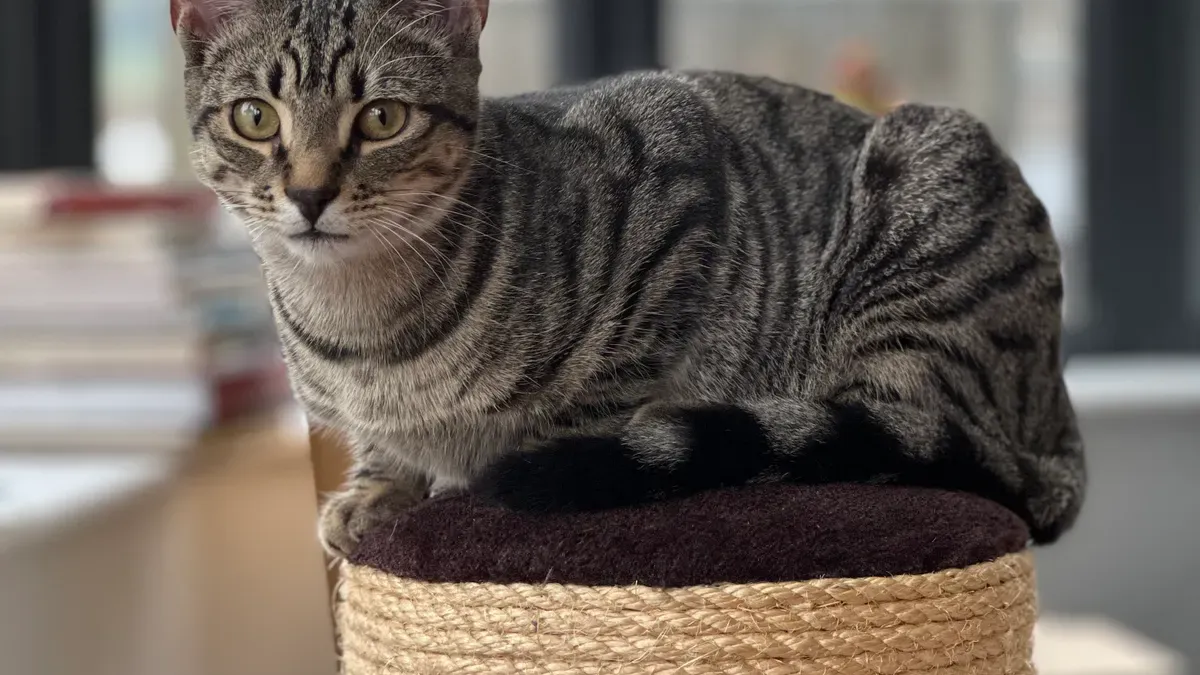
Your cat's health depends on more than food and veterinary visits. Scratching plays a vital role in feline physical and emotional well-being. An eco friendly cat scratcher supports this natural behavior without exposing your pet to harmful chemicals. The right scratcher satisfies your cat's instincts, protects your furniture, and keeps your home safe.
Satisfying the Scratching Instinct with Cardboard's Texture
Cats scratch for many reasons. They mark territory, shed old claw layers, and stretch their muscles. This behavior is not destructive. It is essential. Your cat needs an appropriate outlet for this instinct. Cardboard provides that outlet in a way that feels natural.
The texture of corrugated cardboard closely resembles tree bark. This similarity matters. Cats in the wild scratch trees to maintain their claws and leave scent marks. Domestic cats retain these same instincts. Cardboard's texture mimics tree bark, allowing cats to dig their nails into it. Because cardboard is derived from trees, it retains a natural scent that attracts cats, just like the bark they would scratch in the wild.
This natural appeal produces immediate results. Your cat approaches the scratcher without hesitation. The surface gives just enough resistance to satisfy the scratching urge. Your cat digs in, pulls back, and sheds claw layers effectively. This action keeps claws healthy and prevents overgrowth. It also releases pent-up energy and reduces stress.
Cardboard scratchers offer different orientations to match your cat's preferences. Some cats prefer horizontal surfaces. They scratch while standing or lying down. Other cats prefer vertical surfaces. They stretch upward and pull downward with force. Many cats enjoy angled surfaces that combine both movements. You can observe your cat's habits and choose accordingly.
The density of the cardboard affects durability and satisfaction. Dense, high-grade corrugated cardboard holds up to repeated scratching. It resists shredding and maintains its structure. Flimsy cardboard collapses quickly and creates a mess. Quality matters for both your cat's enjoyment and your wallet.
HOMER understands these feline preferences. The brand designs scratchers with the right density and texture. Each product encourages healthy scratching behavior. Your cat gets a satisfying experience. Your furniture gets protection. This outcome benefits everyone in the household.
Non-Toxic Materials and Pet-Safe Design
Safety should never be an afterthought. Your cat interacts with scratchers daily. Cats scratch, bite, and sometimes chew these surfaces. Any material that touches your cat's mouth or paws must be safe. Eco-friendly scratchers prioritize non-toxic construction.
Many traditional scratchers contain hidden dangers. Synthetic carpets harbor chemical treatments. Plastic bases may contain BPA or phthalates. Adhesives can release volatile organic compounds into your home. These substances pose risks to your cat's health over time. They also affect indoor air quality for your entire family.
Eco-friendly cardboard scratchers avoid these problems. Manufacturers use safe materials and proven adhesives. Look for products that feature:
-
Corrugated Cardboard: U.S. sourced, heavy duty, high grade
-
Non-Toxic Glue: U.S. sourced and FDA approved for food contact
These specifications provide peace of mind. Food-grade adhesives meet strict safety standards. They will not leach harmful chemicals if your cat licks or chews the scratcher. This assurance matters for pet owners who want the best for their cats.
You should also verify additional material standards when selecting a scratcher:
-
Non-toxic glue — adhesives should be explicitly labeled non-toxic and safe for pets.
-
Food-safe adhesives — glues approved for food contact are recommended for eco-friendly cardboard scratchers.
-
Formaldehyde-free adhesives — avoid glues containing formaldehyde, which can release harmful chemicals.
-
Pet-safe adhesive — used in multi-layer corrugated cardboard construction to bond layers securely.
-
Eco-friendly adhesives — used in laminated structures to reinforce durability without toxins.
-
Natural inks — if colored, inks should be natural rather than synthetic dyes.
-
Recycled corrugated cardboard — the primary eco-friendly material used in these scratchers.
-
Materials to avoid: synthetic dyes, unknown glues, formaldehyde, VOCs, and toxic dyes.
These guidelines help you evaluate products before purchase. Check labels and product descriptions. Contact manufacturers if information is unclear. A reputable brand will provide full transparency about materials and sourcing.
Safety certifications provide additional verification. No global regulation specifically governs cardboard cat scratchers. Suppliers should provide test reports rather than assumed compliance. You can look for these certifications:
-
Non-toxic ink certification: recommended for pet items to verify safe inks
-
CPSIA (US): regional standard covering children's products
-
EN71 (EU): regional standard covering children's products, including EN71-3 toxicity
-
REACH (EU): restricts ink components
These standards were developed for children's products. They apply well to pet products because both groups face similar exposure risks. Cats explore with their mouths. They groom their paws after scratching. Safe materials protect them at every contact point.
|
Certification |
Applies To |
Description |
|---|---|---|
|
ASTM D642 |
Corrugated cardboard material |
Standard for corrugated cardboard; used across basic, reinforced, and eco-reinforced cardboard cat scratcher tiers |
|
ASTM F963 |
Interactive/toy components |
Toy safety standard applied to simple and advanced interactive toy features of cat scratchers |
These certifications demonstrate a manufacturer's commitment to safety. They show that products have undergone testing and meet established standards. HOMER prioritizes these safety measures. The brand uses non-toxic materials and provides transparent information about construction. You can trust that HOMER products meet high safety standards.
Lightweight and Easy to Place Anywhere
Convenience affects how often your cat uses a scratcher. Heavy, bulky posts often stay in one location. Your cat may lose interest over time. Lightweight scratchers offer flexibility. You can move them easily to different rooms. This adaptability keeps your cat engaged and satisfied.
Cardboard scratchers weigh far less than traditional alternatives. A typical cardboard scratcher weighs just a few pounds. Sisal-covered posts with wooden bases can weigh twenty pounds or more. This weight difference matters for practical reasons. You can lift a cardboard scratcher with one hand. You can relocate it without strain or assistance.
This portability provides several benefits for your cat's routine:
-
You can place scratchers near your cat's favorite resting spots
-
You can move scratchers to protect furniture in different rooms
-
You can rotate scratcher locations to maintain novelty and interest
-
You can store scratchers easily when not in use
-
You can bring scratchers during travel or moves
Your cat benefits from variety. A scratcher placed near a window offers a different experience than one near a couch. Cats enjoy scratching after naps or during play sessions. Multiple scratchers in strategic locations reduce the chance of furniture damage. Your cat chooses an appropriate surface instead of your sofa.
Lightweight design also helps during cleaning. You can pick up the scratcher and shake out loose cardboard pieces. You can vacuum underneath it without moving heavy furniture. This ease of maintenance keeps your home tidy and your cat's scratching area fresh.
Placement strategies maximize scratcher effectiveness. Observe where your cat already scratches. Place a scratcher near that spot. Cats often scratch near sleeping areas or entry points. They scratch after eating or using the litter box. Position scratchers accordingly. Your cat will adopt the new surface quickly.
HOMER designs scratchers with portability in mind. The brand creates products that fit seamlessly into any home. You can place them in living rooms, bedrooms, or hallways. The lightweight construction does not compromise durability. Your cat gets a stable scratching surface that stays in place during use.
Stability matters even for lightweight products. A scratcher that slides across the floor frustrates your cat. Look for designs with non-slip features or weighted bases. These details keep the scratcher secure during vigorous scratching. Your cat feels confident and continues using the product.
The combination of portability and stability creates an ideal scratcher. You can move it when needed. Your cat can use it without frustration. This balance supports consistent scratching behavior. Your cat stays happy. Your furniture stays protected. Your home stays organized.
You gain real benefits when you choose an eco friendly cat scratcher. Your cat enjoys safe scratching. Your wallet saves money. The planet receives less waste. HOMER builds high-quality, sustainable products that prove pet care and environmental care work together. Make the switch today. This simple step creates a greener future for everyone.
FAQ
Are eco friendly cat scratchers safe for my cat?
Yes. Quality products use non-toxic adhesives and recycled cardboard. HOMER designs scratchers with food-grade glue and safe materials. Your cat can scratch and chew without health risks.
How long does an eco friendly cat scratcher last?
Durability depends on cardboard density and your cat's scratching habits. Dense corrugated cardboard lasts longer. Replaceable pads extend product life. HOMER offers refill options that reduce long-term costs.
Do cardboard scratchers actually protect my furniture?
Yes. Cardboard mimics tree bark texture. This natural appeal attracts your cat. Place scratchers near favorite scratching spots. Your cat chooses the scratcher over your sofa.