86-13400725797
 info@homertrimmings.com




You can launch private label pickleball paddles without owning a factory. The U.S. pickleball market projects USD 9.1 billion by 2034, with 48.3 million players in 2023. HOMER guides you through defining your player, locking specifications, sourcing from OEM/ODM partners, securing certification, and executing your launch plan.
The pickleball apparel and equipment market in the U.S. is expected to grow at a CAGR of 13.8% from 2024 to 2030.
Key Takeaways
-
Define your target player and paddle specifications first. This step guides your design and sourcing decisions.
-
Partner with a reliable supplier and get USA Pickleball certification. These actions ensure quality and tournament legality.
-
Start with a small order and focus on quality control. Then use customer feedback to plan your reorder and scale up.
Understanding Private Label Pickleball Paddles and Sourcing Models
What Private Label Means in Pickleball
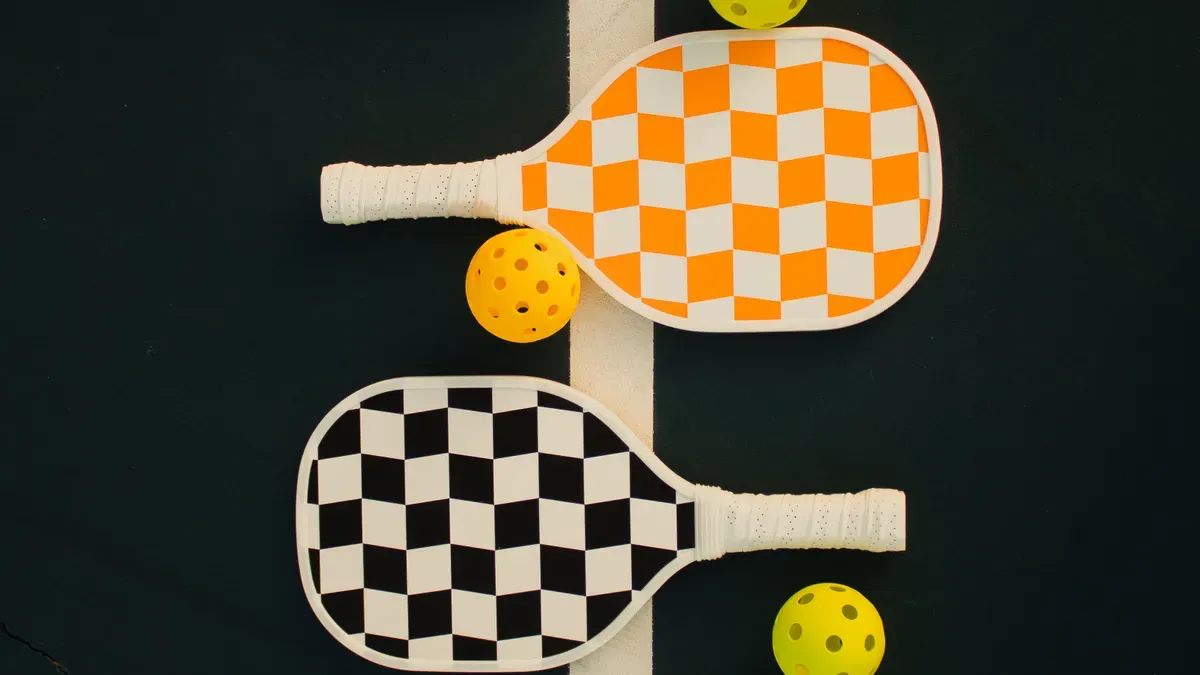
Private label pickleball paddles let you sell paddles under your own brand name. You source these paddles from an OEM or ODM partner. The supplier manufactures the product. You control the branding and market it as your own. This model removes the need for factory ownership. HOMER helps brands navigate this process from start to finish.
Suppliers grant specific branding rights to buyers. These rights typically include:
-
Logo placement on paddle faces and handles for visibility during play, tournaments, and social media
-
Unique shapes, colors, and finishes to differentiate your products
-
Premium custom packaging solutions, including eco-friendly or high-density rigid boxes, to enhance brand impact and the unboxing experience
OEM vs. ODM Sourcing Explained
An OEM builds paddles to your exact specifications. You provide the design, materials, and dimensions. An ODM offers existing designs. You select a ready-made model and apply your branding. OEM gives you full control. ODM speeds up your timeline and reduces development costs.
White-Label vs. Private-Label vs. Custom OEM
White-label paddles use a generic design with your logo added. Private-label pickleball paddles involve more customization in graphics and packaging. Custom OEM means you control every specification. Your choice depends on your budget, timeline, and brand goals.
Identify Your Target Player and Price Position
You must define your target player before sourcing. Beginners need forgiving paddles with larger sweet spots. Advanced players want power and spin control. Your price position follows your player profile. Budget paddles target recreational players. Premium paddles attract competitive athletes. HOMER recommends starting with one focused player segment.
Building Your Paddle: Specifications, Certification, and Branding
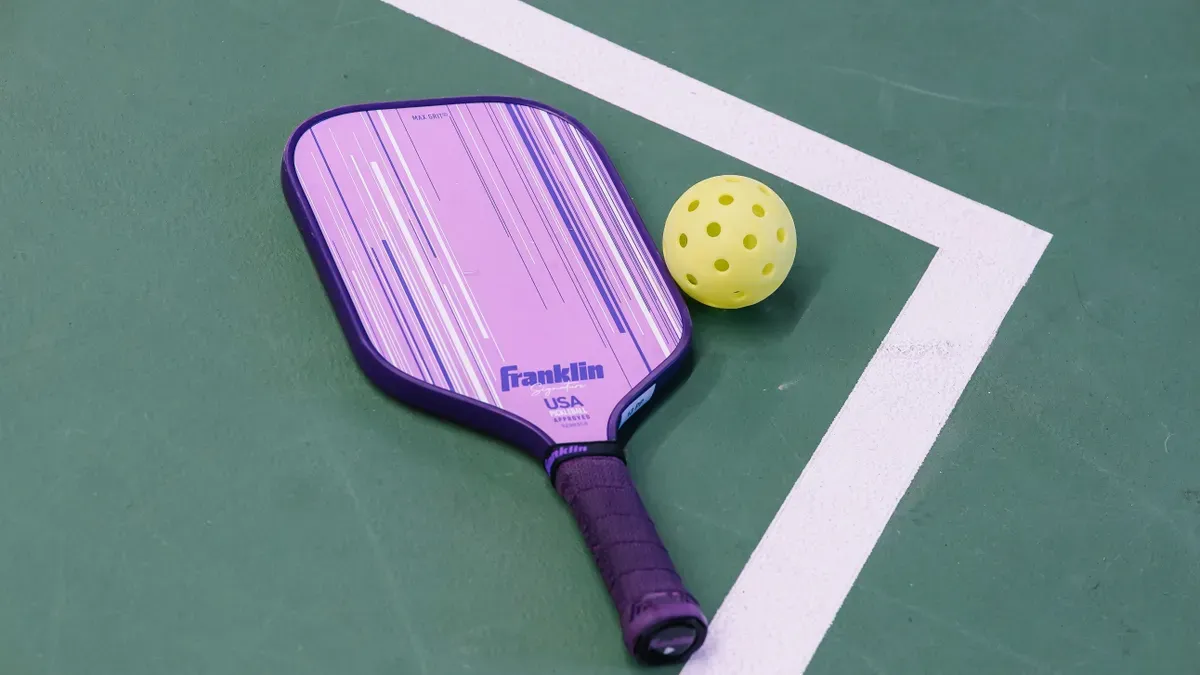
You now understand your target player and sourcing model. The next phase turns your concept into a physical product. You must lock specifications, validate samples, secure certification, and build a brand identity. Each decision affects performance, legality, and market appeal. HOMER supports brands through every stage of this development process.
Key Paddle Specifications to Decide
You control several core specifications when developing private label pickleball paddles. These choices determine how your paddle performs on the court. You must decide on shape, core material, face material, thickness, weight, and grip size.
Paddle shape affects your sweet spot and swing weight. A wide body offers a larger sweet spot for beginners. An elongated shape provides more reach and power for advanced players. Core material influences feel and durability. Polypropylene honeycomb cores dominate the market for their balance of weight and response. Face material determines spin and power. Carbon fiber faces generate more spin. Fiberglass faces offer more power at a lower cost.
Thickness ranges from 10mm to 20mm. Thinner cores produce more power. Thicker cores absorb more vibration and offer better control. Weight typically falls between 7.0 and 8.5 ounces. Heavier paddles deliver more power. Lighter paddles allow faster hand speed at the net. Grip circumference ranges from 4.0 to 4.5 inches. You should match grip size to your target player's hand size.
HOMER recommends documenting every specification in a formal product brief. This document becomes your reference for sampling and quality control.
Sampling and Quality Control Essentials
You must validate your specifications through physical samples before committing to bulk production. Sampling reveals design flaws, material issues, and manufacturing inconsistencies. You should request multiple samples from your supplier. Test each sample for weight, balance, grip comfort, and surface finish.
Quality control extends beyond the sample phase. You need a system that catches defects before products reach your customers. A reputable supplier retains reference samples for comparison against bulk builds.
During sample development, even when a customer orders and pays for one sample paddle, WERiDON usually produces and retains an additional reference sample at our own cost. The retained sample is labeled with the customer's project information and can be compared with the bulk build instead of relying only on written notes.
This practice protects you from receiving products that deviate from approved samples. You should also implement a layered monitoring plan with your supplier.
|
Aspect |
Recommendation |
|---|---|
|
Trial order quantity before bulk production |
After a factory passes the audit scorecard (minimum 7/10), place a small trial order of 100–300 paddles while continuing to monitor the supplier. |
|
Factory audit process that catches quality defects |
Use a layered monitoring plan: initial audit before the first order, during-production inspection (DPI) for each order (ideally by a third party), annual re-audit for active suppliers, and spot video audits quarterly (announced or unannounced). |
You should budget for third-party inspections. These inspections cost money upfront. They save you from costly recalls and brand damage later.
USA Pickleball Certification and Tournament Legality
USA Pickleball certification determines whether players can use your paddles in sanctioned tournaments. This certification is not optional for brands targeting competitive players. You must submit your paddles to USA Pickleball authorized testers. These labs evaluate your paddles against strict performance benchmarks.
The testing process measures three critical performance factors. Each factor has a specific threshold your paddle must meet.
-
Surface roughness / friction: Labs use a Starrett Surface Roughness Tester to measure paddle face grit against the standardized friction limit.
-
Deflection: A deflection machine applies 3 kg of weight to the paddle face to measure flexibility; paddles that bend too much fail USA Pickleball approval.
The following table outlines the specific benchmarks your paddle must satisfy.
|
Test |
What It Measures |
Benchmark / Threshold |
Method |
|---|---|---|---|
|
PBCoR (Paddle/Ball Coefficient of Restitution) |
Ball speed / "trampoline effect" from face flex |
Must not exceed 0.44 |
Introduced late 2024; conducted at Element U.S. Space & Defense |
|
Deflection |
Face flexibility under load |
Average deflection must not exceed 0.005 inches |
3 kg load applied to paddle face center while resting on parallel blocks |
|
Surface Roughness |
Friction / spin generation (grit) |
Limit of 40 micrometers |
Optical profilometer scans paddle face |
You should begin the certification process early. Testing timelines vary. You must account for potential failures and redesigns. A paddle that fails certification cannot reach the tournament market. HOMER helps brands prepare documentation and coordinate with testing facilities.
Branding, Packaging, and Market Positioning
Your branding differentiates your paddles from competitors. You must create a visual identity that resonates with your target player. This identity includes your logo, color palette, and paddle graphics. You should apply your branding consistently across all touchpoints.
Packaging plays a critical role in the unboxing experience. Premium packaging signals quality. Eco-friendly packaging appeals to environmentally conscious consumers. You should design packaging that protects the paddle during shipping and displays well on retail shelves.
Market positioning ties your branding to your price point. A budget paddle requires different messaging than a premium paddle. You should communicate specific benefits to your target player. Beginners respond to forgiveness and ease of use. Advanced players respond to power, spin, and control.
You must also consider your distribution channels. Online marketplaces require strong product images and descriptions. Specialty retailers require compelling retail packaging and point-of-sale materials. Direct-to-consumer channels allow you to build customer relationships and gather feedback.
HOMER offers comprehensive branding support for private label pickleball paddles. The company provides logo printing, custom packaging design, and market positioning guidance. These services help you launch a cohesive brand that stands out in a crowded market.
Manufacturing and Launching Your Line
You have locked your specifications, validated your samples, and secured certification. Now you must move into production and launch. This phase demands careful supplier management, realistic timelines, and a disciplined go-to-market strategy. HOMER provides end-to-end manufacturing support for brands launching private label pickleball paddles. The company's established supplier network and quality control systems help you avoid costly delays and defects.
Working with Suppliers, MOQs, and Lead Times
You must select the right manufacturing partner before you place your first bulk order. A good supplier understands your specifications, meets your quality standards, and communicates clearly. You should evaluate potential suppliers on several criteria. Production capacity matters. A supplier with limited capacity may struggle to fulfill reorders. Communication speed matters. You need a partner who responds to questions within 24 hours. Quality systems matter. A supplier with documented inspection processes reduces your risk.
Minimum order quantities (MOQs) vary widely across suppliers. You should expect MOQs between 100 and 500 units for private label pickleball paddles. Some suppliers require higher MOQs for custom tooling or unique materials. You must negotiate MOQs that match your budget and demand forecast. A lower MOQ reduces your upfront investment. A higher MOQ lowers your per-unit cost. You should find a balance that protects your cash flow while keeping unit economics viable.
Lead times depend on several factors. Standard production runs take 30 to 45 days after sample approval. Custom tooling adds 15 to 30 days. USA Pickleball certification adds another 4 to 8 weeks. Shipping from overseas factories adds 20 to 40 days by sea freight. You must build a timeline that accounts for every stage. A realistic launch timeline from concept to first delivery runs 4 to 6 months.
|
Stage |
Typical Duration |
Key Considerations |
|---|---|---|
|
Sample development and approval |
2–4 weeks |
Request multiple samples; test weight, balance, and grip |
|
Custom tooling (if needed) |
15–30 days |
Only required for unique shapes or proprietary designs |
|
USA Pickleball certification |
4–8 weeks |
Submit early; budget for potential retests |
|
Bulk production |
30–45 days |
Confirm DPI schedule with supplier |
|
Sea freight shipping |
20–40 days |
Air freight cuts time to 5–10 days at higher cost |
You should maintain open communication with your supplier throughout production. Request weekly production updates. Ask for photos of the production line. Schedule a during-production inspection (DPI) at the 30% completion mark. These steps catch problems before they affect the entire batch.
HOMER streamlines supplier management for brands new to manufacturing. The company pre-qualifies factories, negotiates MOQs, and coordinates inspection schedules. This support reduces your operational burden and accelerates your timeline.
Step-by-Step Launch Plan from Concept to Reorder
You need a structured plan to move from concept to first reorder. Each step builds on the previous one. Skipping steps creates risk. Following this sequence keeps your launch on track.
-
Define your target player and price position. Choose one player segment. Beginners, intermediates, and advanced players each need different paddle characteristics. Set a retail price that matches your target player's willingness to pay.
-
Lock your paddle specifications. Document shape, core material, face material, thickness, weight, and grip size. Create a formal product brief. Share this brief with your supplier.
-
Source and evaluate suppliers. Request quotes from at least three suppliers. Ask for references. Review their quality control processes. Select a supplier that meets your criteria for capacity, communication, and quality.
-
Order and test samples. Request 3 to 5 samples. Test each sample for performance, durability, and feel. Compare samples against your product brief. Request revisions until the sample meets your standards.
-
Submit for USA Pickleball certification. Send your approved sample to an authorized testing lab. Wait for results. Address any failures with your supplier. Resubmit if necessary.
-
Place your first bulk order. Confirm MOQ, unit price, and lead time. Pay your deposit. Schedule your DPI. Monitor production progress weekly.
-
Inspect and approve the bulk order. Review the DPI report. Compare bulk units against your reference sample. Approve the shipment only when quality meets your standards.
-
Prepare your go-to-market assets. Finalize packaging, product photography, and marketing copy. Set up your sales channels. Train your customer service team on paddle features and benefits.
-
Launch and gather feedback. Release your paddles to your target market. Collect customer reviews and performance data. Identify what works and what needs improvement.
-
Plan your reorder. Use sales data and customer feedback to forecast demand. Place your reorder 60 to 90 days before you expect to run out of stock. Adjust specifications based on feedback if needed.
This sequence gives you a clear path from idea to revenue. You should document each step and assign responsibility to a team member. Accountability keeps your launch on schedule.
Common Mistakes to Avoid
You can avoid several pitfalls that derail new paddle brands. These mistakes cost time, money, and credibility. Learn from them before you launch.
-
Skipping the target player definition. Brands that try to appeal to everyone end up appealing to no one. You must choose a specific player segment and design for that segment.
-
Underestimating certification timelines. USA Pickleball certification takes longer than most brands expect. You should start the process as early as possible. Delays push your launch date and create cash flow problems.
-
Choosing a supplier based only on price. The lowest quote often comes with hidden costs. Poor quality, slow communication, and missed deadlines cost more than the savings. You should evaluate suppliers on total value, not just unit price.
-
Neglecting quality control. Skipping inspections saves money upfront. Defective products damage your brand reputation and generate returns. You must budget for third-party inspections and hold your supplier accountable.
-
Ordering too much inventory. Large first orders tie up cash and create storage costs. You should start with a focused SKU and a conservative order quantity. Validate demand before scaling.
-
Ignoring packaging and branding. Your paddle competes on shelf and online. Weak packaging and generic branding make your product invisible. You should invest in professional design that communicates your value proposition.
-
Failing to plan for reorders. Running out of stock kills momentum. You must forecast demand and place reorders before inventory runs low. A 60 to 90 day reorder window protects you from stockouts.
HOMER helps brands avoid these mistakes through hands-on guidance and proven processes. The company's team reviews your specifications, monitors production, and coordinates certification. This support gives you confidence at every stage.
A focused first SKU with strong quality control outperforms a broad product line with inconsistent quality. Start narrow, validate demand, and scale with reorders.
You now have a complete roadmap for launching your private label pickleball paddles. The process demands discipline, but the rewards are significant. You can build a brand that competes in the fastest-growing sport in America. Begin your supplier outreach today. Order your first samples. Take the first step toward your own paddle line.
Your private label pickleball paddles succeed through a clear player profile and specification strategy. Certification, branding, and supplier relationships build long-term credibility. Start with one focused SKU, validate demand, and scale through reorders. Contact suppliers today and order your first samples.
FAQ
How much does it cost to launch a private label pickleball paddle line?
You can expect to invest $5,000 to $15,000 for your first production run. This covers sampling, tooling, certification, minimum order quantities, and initial marketing. HOMER helps you manage these costs efficiently.
How long does USA Pickleball certification take for a new paddle?
Certification typically takes 4 to 8 weeks. You must submit your paddle to an authorized testing lab. Delays happen when paddles fail performance benchmarks. Start early to protect your launch timeline.
Can I launch a paddle line without a factory or manufacturing experience?
Yes. You partner with an OEM or ODM supplier who handles production. HOMER guides you through supplier selection, quality control, and certification. You focus on branding and sales while your partner manufactures.