86-13400725797
 info@homertrimmings.com




Cat owners now demand safer, longer-lasting pet furniture that protects both their pets and the planet. An eco friendly cat house directly solves toxic glues and disposable waste. Brands like HOMER prove that responsible choices can be stylish and durable with non-toxic, modular designs made from reclaimed wood and natural fibers.
Key Takeaways
-
Eco-friendly cat houses use safe materials like solid wood and natural fibers. These materials have no harmful chemicals. Your cat stays healthy.
-
Sustainable cat furniture lasts many years. You save money and reduce waste. The planet benefits too.
-
Check for certifications like FSC. Ask brands about their practices. Choose transparent companies like HOMER.
The Problem with Conventional Cat Furniture
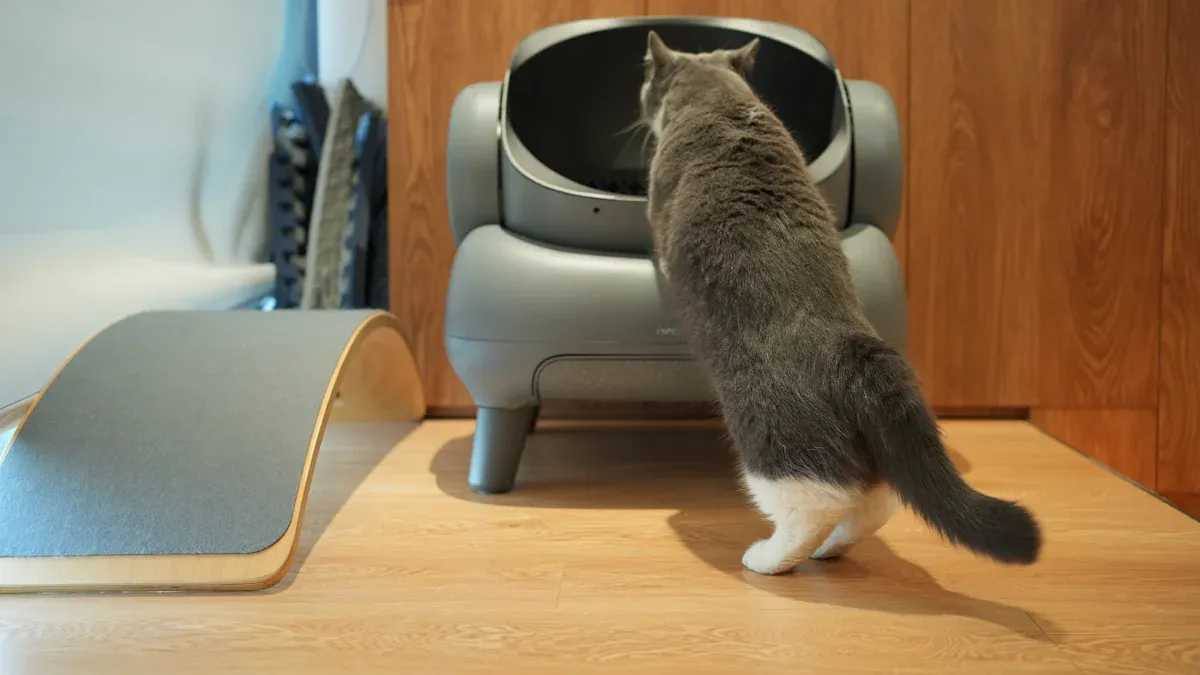
Hidden Toxins and Waste
You might not realize that many conventional cat furniture items contain harmful substances. These products often use synthetic materials, adhesives, and chemical treatments that can pose serious health risks to your feline friend.
Cat samples contained 46 chemicals altogether, including nine carcinogens, 40 chemicals toxic to the reproductive system, 34 neurotoxins, and 15 chemicals toxic to the endocrine system. Endocrine (hormone) system toxins raise particular concerns for cats, since they include the thyroid toxins and fire retardants called PBDEs.
As cats meticulously groom themselves, they lick off accumulated dust that studies show can be contaminated with the neurotoxic fire retardants PBDEs and reproductive toxins called phthalates that were found in the cats we tested.
The table below outlines common toxic substances and their health impacts.
|
Toxic Substance |
Common Source in Cat Furniture |
Health Risks to Cats |
|---|---|---|
|
Formaldehyde |
Textiles, foams, adhesives used for wrinkle resistance and durability |
Respiratory issues, skin/eye irritation; long-term exposure linked to certain cancers |
|
Flame Retardants (PBDEs, Antimony, Boric Acid) |
Added to meet flammability standards; can off-gas and be absorbed or inhaled |
PBDEs: hormone disruption, neurological problems, cancer, feline hyperthyroidism; Antimony: respiratory issues, skin irritation; Boric Acid: respiratory irritant, breathing problems (esp. asthma-prone cats) |
|
PFAS ("Forever Chemicals") |
Stain- and water-resistant treatments on fabrics |
Hormone disruption, immune system issues, liver damage, increased cancer risk |
|
Pesticides (Arsenic) |
Fabric treatments to prevent insects, mold, pests |
Digestive problems, skin irritation, neurological damage; long-term exposure linked to cancer and chronic illness |
|
VOCs |
Synthetic fabrics, adhesives, foams; vaporize into air |
Headaches, dizziness, respiratory irritation, long-term organ damage; accumulation in confined spaces harms lungs |
|
Phthalates |
Vinyl and synthetic fabrics to increase flexibility/durability |
Endocrine disruption; reproductive issues, developmental problems, increased cancer risk |
|
Polyurethane Foam & Synthetic Fillers |
Affordable fillers (fiberfill, memory foam) |
Off-gassing causes respiratory issues; continuous exposure linked to liver/kidney damage |
|
Synthetic Fabrics |
Common bed materials |
Harbor phthalates, formaldehyde, pesticides; cause respiratory problems, skin irritation, hormone disruption, cancers |
|
Synthetic Dyes |
Coloring agents absorbed through skin or ingested during grooming |
Allergic reactions, irritation; prolonged exposure linked to cancer |
Short Lifespan and Disposability
Conventional cat furniture often breaks down quickly, which creates unnecessary waste. You may find yourself replacing these items frequently.
-
Solid wood small cat trees: last 10+ years.
-
MDF with veneer small cat trees: lifespan 2–4 years.
-
Carpet-wrapped particle board cat trees: lifespan 1–3 years.
According to CatsPlay's FAQ, conventional cat furniture made with particle board or hollow posts usually breaks down within 1–3 years when used actively, whereas solid wood construction can last 5–10 years or more. This short lifespan forces you to buy new products often, which adds to landfill waste and costs you more over time.
Why an Eco Friendly Cat House Is the Better Choice
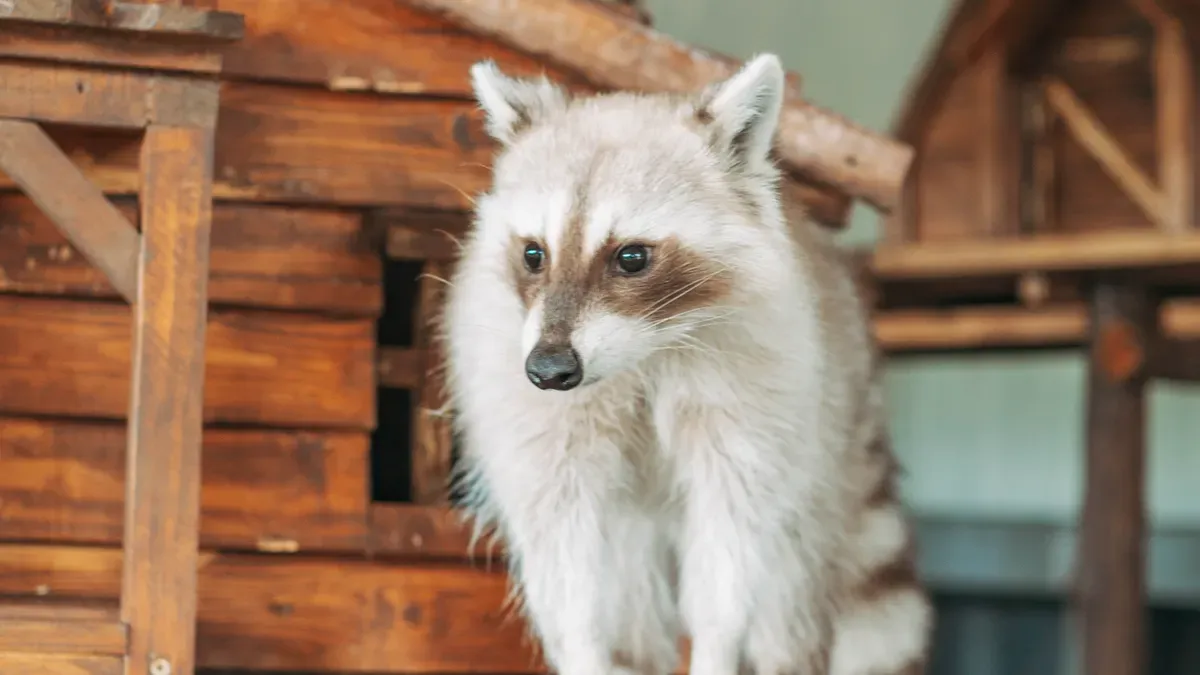
An eco friendly cat house offers distinct advantages over conventional options. You protect your cat from harmful chemicals. You reduce waste. You also invest in furniture that lasts for years.
Healthier Materials for Your Feline Friend
The materials in your cat's furniture directly affect their health. Cats groom themselves constantly. They ingest whatever accumulates on their fur and paws. Toxic substances in conventional furniture become part of their daily exposure.
Formaldehyde causes respiratory issues and skin irritation in cats. Long-term exposure links to certain cancers. Flame retardants like PBDEs disrupt hormones and damage the nervous system. These chemicals also connect to feline hyperthyroidism, a common thyroid condition in older cats.
Higher levels of the flame retardant TDCIPP (TRIS), commonly found in stuffed furniture, were detected on silicone tags of hyperthyroid cats compared to non-hyperthyroid cats. Among non-hyperthyroid cats, higher TDCIPP levels were associated with elevated blood levels of a hormone elevated in hyperthyroidism, suggesting increased likelihood of developing the condition. Higher TRIS concentrations were also linked to households using air fresheners and cats that spent more time on upholstered furniture.
The table below shows specific health issues linked to common chemical exposures.
|
Chemical Exposure in Pet Furniture |
Specific Feline Health Issues Linked |
|---|---|
|
Formaldehyde |
Respiratory issues, skin irritation, eye irritation, certain cancers (long-term exposure) |
|
Flame retardants (PBDEs) |
Hormone disruption, neurological problems, cancer, feline hyperthyroidism |
|
Flame retardants (Antimony) |
Respiratory issues, skin irritation |
|
Flame retardants (Boric acid) |
Respiratory irritation, breathing problems (especially in cats with asthma) |
Safe alternatives exist. You can choose furniture made from materials that pose no risk to your cat.
-
Solid hardwood (oak, walnut, maple, hevea) — inherently non-toxic, formaldehyde-free, no off-gassing, and safe when finished with food-safe oils or water-based lacquers.
-
Sisal — used for designated scratching sections as a natural fiber alternative to carpet.
-
Recycled cardboard — cited as a non-toxic material (e.g., PetFusion uses recycled cardboard with non-toxic glue).
-
Natural fibers — recommended by brands such as Frond Design Studios for handmade scratchers.
You should avoid particle board, MDF, plywood with formaldehyde binders, carpet treated with fire retardants, and synthetic fabrics. These materials release harmful chemicals into your home. Your cat breathes these chemicals. Your cat also absorbs them through their skin.
An eco friendly cat house built with solid wood and natural fibers eliminates these risks. Your cat interacts with safe surfaces. You gain peace of mind.
Built to Last – Less Waste, More Value
Durability separates eco-friendly cat furniture from conventional options. You might pay more upfront for quality materials. You save money over time through fewer replacements.
Consider the lifespan differences. Solid wood cat trees last 10 or more years. MDF with veneer lasts 2 to 4 years. Carpet-wrapped particle board lasts 1 to 3 years. Conventional furniture breaks down quickly under active use. You replace these items repeatedly. Each replacement adds to landfill waste.
Sustainable furniture uses construction methods that resist wear. Solid wood posts support weight without bending. Natural fiber scratching surfaces hold up to daily use. Water-based finishes do not peel or chip. These features extend the product's life significantly.
Repairability also matters. Modular designs let you replace individual components. A worn scratching post becomes a simple swap. You do not need to discard the entire structure. This approach reduces waste and saves money.
The environmental impact adds up. Every piece of furniture you keep out of the landfill makes a difference. Every replacement you avoid reduces manufacturing demand. Your purchase supports a more sustainable cycle.
Brands Leading with Sustainability – HOMER and the Buy 1 Plant 1 Initiative
Several brands now prioritize safe materials and sustainable practices. HOMER stands out for its commitment to both pet health and environmental responsibility.
HOMER uses locally sourced wood in its cat furniture. This reduces transportation emissions. The brand applies water-based stains and finishes. These products contain no toxic solvents. Your cat interacts with safe surfaces from day one.
The modular design philosophy at HOMER extends product life. You can replace individual parts as they wear. This feature keeps the main structure in use for years. You avoid the cycle of buying and discarding entire pieces.
HOMER also runs the Buy 1 Plant 1 initiative. Every purchase supports tree planting efforts. This program addresses the environmental impact of furniture production. You contribute to reforestation with each order.
Other brands demonstrate similar values. PetFusion uses recycled cardboard and non-toxic glue in its products. Frond Design Studios creates handmade scratchers from solid wood and natural fibers. Hauspanther focuses on safe, natural materials. Pioneer Pet SmartCat offers the Ultimate Scratching Post made from woven sisal and a solid wood base.
These brands prove that responsible manufacturing works. You can find durable, safe, and stylish options. An eco friendly cat house from a committed brand delivers value beyond the product itself. Your choice supports broader change in the pet furniture industry.
How to Spot Genuine Eco-Friendly Cat Furniture
The sustainable pet furniture market has exploded in recent years. Every brand now claims to offer green products. You need sharp eyes to separate real environmental commitment from marketing spin. This section gives you practical tools to evaluate any eco friendly cat house before you spend your money.
Look Beyond Buzzwords – Avoid Greenwashing
Greenwashing happens when companies exaggerate or fabricate their environmental credentials. You will encounter this tactic frequently in the pet furniture industry. Learning to recognize it protects your wallet and your cat.
Watch for these common greenwashing tactics:
-
No proof – A brand makes environmental claims without any documentation or third-party accreditation to back them up.
-
Broad or vague terms – Words like "all-natural," "eco-friendly," "clean," "green," or "sustainable" appear everywhere. These terms have no clear meaning or regulatory requirement.
-
Misleading symbols – Images of forests, birds, flowers, or raw brown paper packaging imply sustainability without any explicit verifiable claim.
-
Shining the spotlight only where a company wants people to look – A brand highlights a small sustainable product line while the majority of production remains unsustainable.
-
Carbon offsets and carbon neutrality – A company claims to offset emissions without adhering to recognized standards like the Verified Carbon Standard or Gold Standard, or without third-party validation.
-
Unregulated ecolabels – Package labels that are not strictly regulated make unreliable indicators of genuine sustainability.
You can take several steps to verify any sustainability claim. These actions give you confidence in your purchase decision.
-
Policy Check – Visit the brand's official website to review its sustainability policies. Look for details on material sourcing, manufacturing processes, and sustainability initiatives. A transparent brand will have a dedicated section outlining its commitments, goals, and achievements.
-
Brand Communication – Contact the brand directly via email or social media. Ask specific questions about the product's lifecycle, material recyclability, or energy efficiency in manufacturing. Brands genuinely committed to sustainability will respond transparently.
-
Certification Verification – Check for recognized certifications such as FSC (Forest Stewardship Council). This certification ensures wood comes from responsibly managed forests that provide environmental, social, and economic benefits.
-
Review Analysis – Seek independent reviews from reputable sources and specialized furniture review sites. These sources give you insights into durability, material quality, and overall environmental impact beyond brand statements.
-
Trend Awareness – Stay informed about evolving industry trends, new materials, and technologies. This knowledge helps you assess whether a product's sustainability claims align with current best practices.
A brand that avoids these verification steps likely has something to hide. A brand that welcomes your questions and provides documentation demonstrates real commitment.
Key Certifications and Materials to Trust
Certifications provide objective proof of sustainable practices. You should prioritize products that carry recognized third-party validation.
The Forest Stewardship Council (FSC) certification stands as the gold standard for responsible wood sourcing. This label indicates the wood came from a well-managed forest using lower-impact logging methods. Look for the FSC label on cat trees and other wooden pet furniture.
Be cautious of the Sustainable Forestry Initiative (SFI) label. This certification may appear to be an eco-certification. Environmental watchdogs have criticized SFI for greenwashing. The label does not guarantee sustainable practices.
You can check a manufacturer's environmental track record through the Sustainable Furnishings Council's Wood Furniture Scorecard. This resource, produced with the National Wildlife Federation, identifies brands making a conscious effort to use sustainable wood.
Beyond certifications, examine the materials themselves. Look for certification labels on cat trees, such as the FSC label for wood or organic certifications for textiles. Choose manufacturers that are transparent about their manufacturing processes and traceability. Research the origin of the materials and confirm the absence of chemical treatments to support a responsible purchase.
Safe materials for an eco friendly cat house include:
-
Solid hardwood (oak, walnut, maple, hevea) – inherently non-toxic, formaldehyde-free, and safe when finished with food-safe oils or water-based lacquers.
-
Sisal – a natural fiber alternative to carpet for scratching sections.
-
Recycled cardboard – a non-toxic material when paired with non-toxic glue.
-
Natural fibers – recommended for handmade scratchers and safe for daily contact.
Materials to avoid include particle board, MDF, plywood with formaldehyde binders, carpet treated with fire retardants, and synthetic fabrics. These materials release harmful chemicals into your home. Your cat breathes these chemicals and absorbs them through their skin.
HOMER demonstrates how a brand can combine certified materials with transparent practices. The company uses locally sourced wood and water-based stains. HOMER also operates the Buy 1 Plant 1 initiative, which supports reforestation with every purchase. This combination of certified sourcing, safe finishes, and environmental giving provides a model for what genuine sustainability looks like.
A trustworthy brand will welcome your scrutiny. A brand that deflects questions or hides behind vague language does not deserve your business. Your cat deserves furniture that is safe, durable, and honestly made.
You make a smarter, healthier, and more ethical choice when you buy an eco friendly cat house. Sustainable pet furniture reflects a broader shift toward conscious consumption. Your purchase supports that change. Start with non-toxic materials, repairability features, and transparent brand policies. HOMER combines locally sourced wood, water-based stains, and modular designs that outlast traditional options.
FAQ
What makes an eco friendly cat house safer for my cat?
An eco friendly cat house uses non-toxic materials like solid wood and natural fibers. These materials contain no formaldehyde, flame retardants, or synthetic chemicals. Your cat avoids harmful exposure during daily grooming.
How long does sustainable cat furniture typically last?
Sustainable cat furniture made from solid wood lasts 10 or more years. Modular designs let you replace worn parts instead of the whole piece. You save money and reduce landfill waste over time.
How do I verify a brand's sustainability claims?
Check for FSC certification on wood products. Review the brand's website for transparent sourcing policies. Contact the company directly with specific questions. HOMER demonstrates this transparency with locally sourced wood and its Buy 1 Plant 1 initiative.